Today, in a Planetizen exclusive, I propose a “vocabulary of looking” as the foundation for urban policy, plans and regulations. Read the full narrative here. A snapshot follows.


Today, in a Planetizen exclusive, I propose a “vocabulary of looking” as the foundation for urban policy, plans and regulations. Read the full narrative here. A snapshot follows.
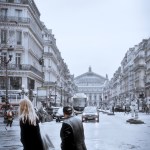
Almost 50 years ago, thanks to Kevin Lynch, Jane Jacobs and many others, the Parisian flâneur tradition of “looking around” cities became a central aspect of academic inquiry about, and activist response to, urban change.
In the changing city of today, during these divisive political times, I am often asked how this looking around (what I now call “seeing the better city” in my new book title) can make a difference. Reporters, audience members, friends, and colleagues wonder how compiling visual, “urban diaries” (composed of photographs that capture what we like and dislike, what is working and what is not) might change our cities for the better.
In short, how can urban diaries influence effective city planning and development outcomes?
My answer, first of all, is that using the time-honored words of designer George Nelson, “to see is to think.” Observing, and thinking more visually can enhance our ability to understand and contrast differing points of view about the cities we want, and better equips us to intelligently discuss—rather than provide a visceral response to—inevitable changes in the urban landscape.
For example, I repeatedly notice many assumptions buried in public debate in my hometown of Seattle about how the city should redevelop. Newcomers and long-time residents, as well as different generations, offer varying perspectives and often disagree. Discussions, both online, and in city-convened meetings, frequently focus on the nature of single family versus multifamily or mixed-use neighborhoods. While participatory websites and facilitators may use maps and visual examples, the process has not yet fully embraced bottom-up, visual submittals as part of consideration and fine-tuning of policies, projects, and plans.

Amid our increasing capacity to photograph with smartphones (over and above conventional cameras), one of the most simple and empowering things we can do is to record and communicate our observations and impressions of where we live, work and travel each day. These urban diaries can occur on multiple levels–from introductory, “how to see” exercises, all the way to incorporation of citizen-based photography into city planning processes and development project input.
In short, I believe that urban diaries are one key to a more inclusive and empowering approach as our cities change around us. An online Seattle publication, The Evergrey, has agreed and encouraged readers to create, share and annotate urban diary examples.
After all, urban diary topics are as varied as the inspiration that we find in cities. The urban diary interprets the intersection of the public and private realms, the boundaries of the built and natural environments, the relationships between land uses and transportation, and issues of adaptive reuse and public safety.
Interested? Give it a try, with the following concluding suggestions gleaned from Seeing the Better City on how to start thinking more visually in urban settings. Here are five tips to help read and frame urban surroundings and the way people connect with the places around them:
Seeing the Better City is available now from Island Press, Amazon, Barnes and Noble, and your local independent bookseller.
Images composed by the author in Paris and Seattle. © 2009-2017 myurbanist. All Rights Reserved. Do not copy.
Seeing the Better City is now available.

The book highlights and celebrates the role of human observation in capturing a greater diversity of perspectives to create better, more equitable cities. The book presents a comprehensive toolkit for cataloging the influences of day-to-day life in a city, and gives examples of practical tools that can help make city planning and design more inclusive, including the role of cameras, smartphones and sketchpads. From city-dwellers to developers to elected officials, the book is an invaluable tool for constructive, creative discourse about creating better neighborhoods.
For those in the Seattle area, Chuck Wolfe continues to share the ideas in this book at a number of events, including a February 28 Urban Land Institute live interview based on a January 27 Puget Sound Business Journal article.
In addition to the Island Press book page, you can get updates and article links about the book and scheduled events, as well as view a “book trailer” video at www.seeingthebettercity.com.
The book is available from Island Press, with a 20% discount by entering the code 4WOLFE. You can also order it from Amazon, Barnes and Noble, and your local independent bookseller. And this month only, you can get the e-book for just $14.99!
Why attend a photo expo about seeing the elements of urban space? Because it’s a simple way to help navigate urban change, and find ways to improve your city, town or neighborhood.
During the month of December, ten photographs from my pending book, Seeing the Better City, will be on display at Cafe Verite/Cupcake Royale in Seattle’s Madrona neighborhood, at 1101 34th Ave. A kickoff event will take place on Saturday, December 3, from 4:00-6:00 p.m.
The photographs—largely drawn from the several “urban diary excerpts” throughout the book—will illustrate the roles that personal observation plays in understanding and improving our urban environments.
The following four photographs provide an overview of the photo display and related book topics. They hint at the close to 100 photographs and the many historical and modern tools and techniques addressed in the book.


Images composed by the author Paris and Seattle. © 2009-2016 myurbanist. All Rights Reserved. Do not copy.
For more on using urban observation as a tool to affect change, Seeing the Better City will be available by early 2017 from Island Press, through local booksellers, and Amazon.
To learn more about my pending book, Seeing the Better City (Island Press, by early 2017), see the newly released book trailer, embedded below.
The trailer provides a book overview, explains key themes, and highlights multiple photographs featured in Seeing the Better City.