inadvertent urbanist weekend examples (Albany, NY edition)

A weekend stroll down State Street in Albany, New York reveals American history at a glance–the evolution from the first European settlement in the Thirteen Colonies to the iconic statement of New York State infrastructure and Empire State Plaza. The transition from colonial street to a late twentieth century statement of public place on a grand scale creates a true contrast in pedestrian experience.

street scene complexities: “what was and what will be”

The complexities of a street scene–with often divergent and seemingly incompatible features–reflect the layers of social and cultural influence over time and place.

DSC_0417
How else could a very British phone booth in a former colony contrast with the vernacular splendor of a church square?
DSC_0211
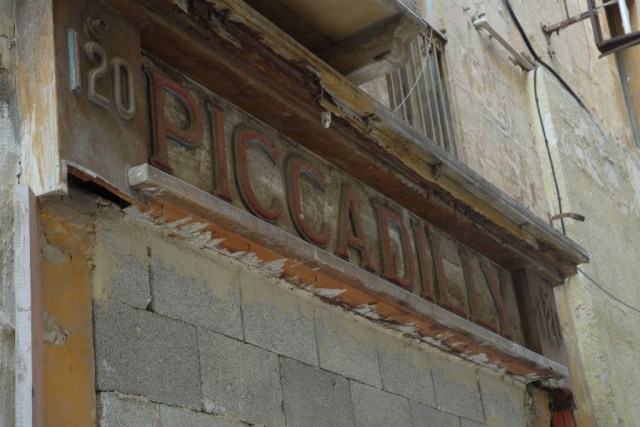
Why else would an abandoned watering hole of British sailors still advertise the name of a distant London gathering place?
DSC_1394_2
Is it inevitable that McDonald’s and a traditional religious center would mix on the French Riviera?

DSC_0076
And must American ice cream from Vermont merge with gelato in the Mediterranean?

In the words of France’s Luc Gaudet, “[w]e are only but a mixture of what was and what will be”. The challenge going forward is to plan for such inevitability, and create places that successfully capture legacies, current trends and a sense of the future.

How do Seattle examples such as Ballard, Fremont, Capitol Hill, Columbia City and Belltown align with Gaudet?

which street scene are you?

A refined version of the previous posting also appears in seattle pi.com today:

U.S. to unleash millions for streetcar, bus projects to reduce pollution | Oregon Environmental News – – OregonLive.com

Key news reported from light rail utopia, befitting of certain Puget Sound regional visions:

miami update, paradigm shift evolves

Here’s an update on the evolution of Miami 21, discussed in my recent articles in Crosscut and seattlepi.com.