
Just posted in seattlepi.com, a contextual take on recent news:
Category: housing
The costs of winter amenity urbanism
As the season of ski towns begins another year, the cost of living close to such winter meccas remains high, pricing out many local workers and necessitating long commutes for members of the service sector. In such places, urban amenities such as pedestrian ways, efficient transit and vital retail and restaurant centers are often tourist-driven and remake historic towns for winter sports, summer festivals and competitive image. Is prohibitive cost for residents an inevitable outcome of such commercial success?


the quotation for Copenhagen: “What is the use of a [fine] house if you haven’t got a tolerable planet to put it on?”
On the way to Copenhagen and current focus on climate change, the familiar Thoreau quotation has been renewed by many. Images can remind us of past relationships of housing, changing modes of transportation and the planet, and provide backdrop for current progressive norms which advocate for a more sustainable future.
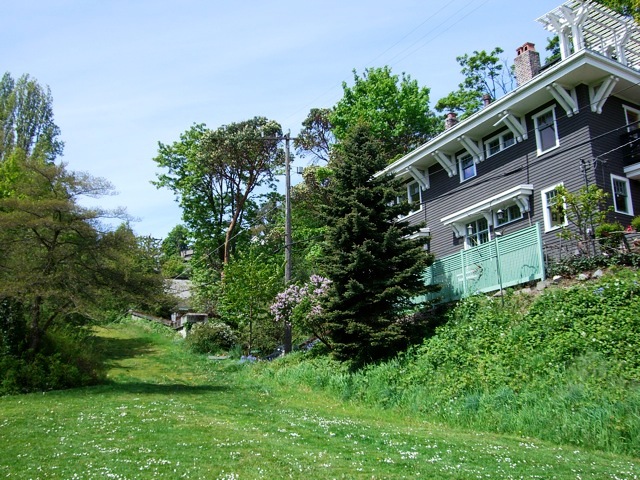
In Seattle, housing still graces the path of the cable car that ascended Yesler and ended in Frink Park above Leschi, from 1888 until replaced by buses in 1940:

Across the world, two Italian images from former donkey trails–now walking paths–show a farmhouse between Monterosso and Vernazza in the Cinque Terre, and an abandoned stone structure on the Sentiero degli dei on the Amalfi Coast. 

Going forward, as we adapt transportation and land use patterns to continue goals of emission reduction, can we use these “anachronistic landscapes” (about which J.B. Jackson and others have written) in concert with Seattle’s pending Comprehensive Plan update and companion plans and programs in order to craft a vision of the post-Copenhagen future?
diversity of urban housing types, then and now

 Would the trulli of southeastern Italy work on Seattle’s hills?